From Middle-Class Spending to Economic Growth: The Ripple Effect
If a middle-class person has ₹5000 to spend in a month, what does he do? He buys more amenities.
The person who receives that money also spends it on something else.
The seller, who now has the money, uses it to avail a service he needs.
How many hands does this money exchange in a year? Let’s assume it changes ten hands.
In this process, nearly ₹2000 reaches the central and state governments in the form of GST.
Now, let’s assume the same person invests in buying land or a house instead. In that case, the state government earns revenue through stamp duty and registration fees.
Earlier, people used to register their properties for a lower amount than their actual purchase price. But now, as the market is stabilizing and the real estate sector is growing, buyers register properties at higher market values with pride.
This growth in real estate transactions leads to a rise in vehicle sales, business investments, and overall economic activity.
This is a chain reaction—one transaction influences another, boosting the entire economy.
– Keshaboina Sridhar
General Secretary, Hyderabad Central BJP OBC Morcha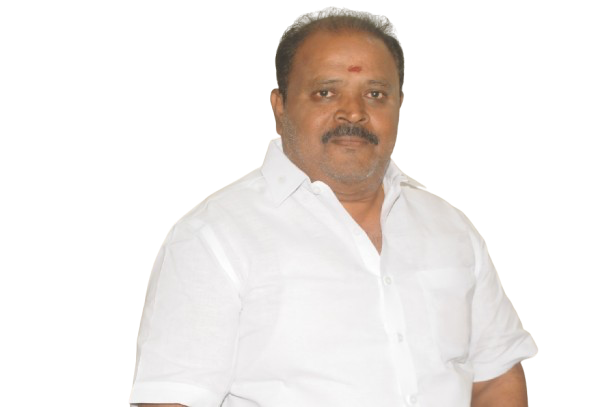


Comments
Post a Comment